Lab-Grown vs Natural Diamonds: What Is the Difference?
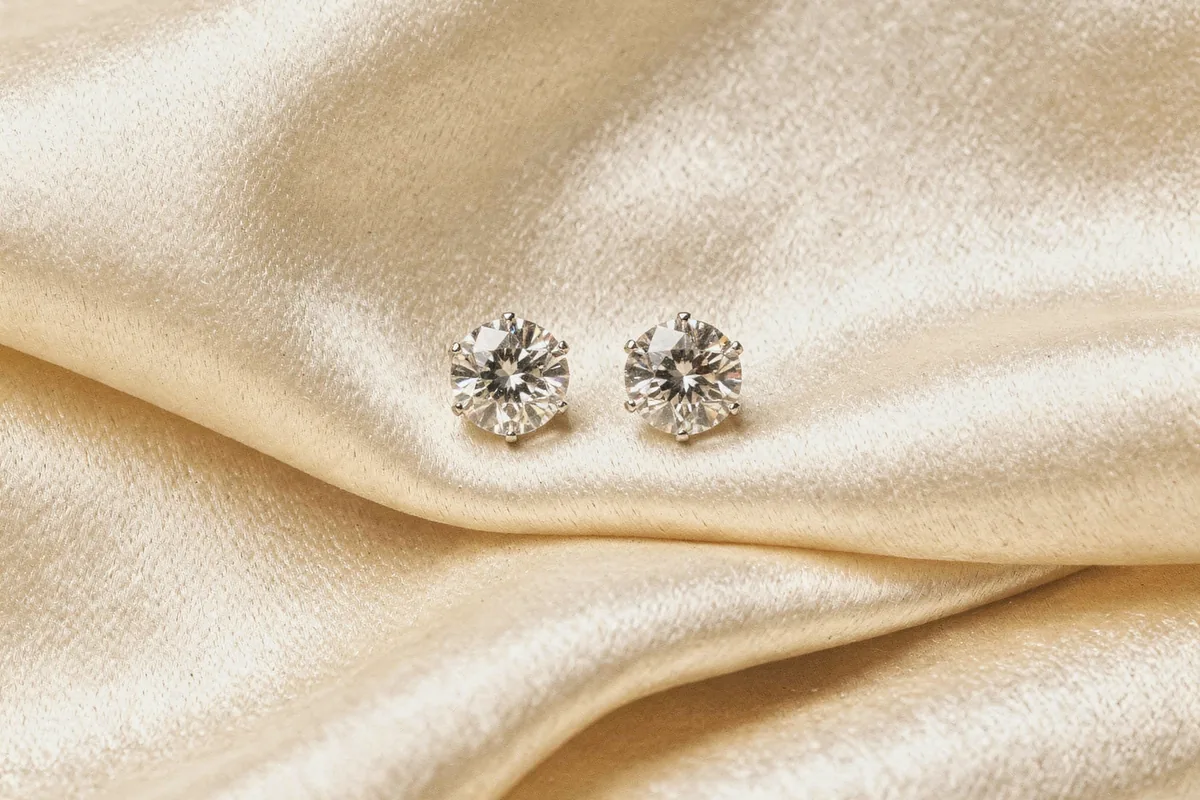
Lab-grown and natural diamonds are both real diamonds. Each is crystallized carbon, with the same hardness (10 on the Mohs scale) and the same optical properties. The difference is where and how they are formed.
How each one is made
Natural diamonds formed deep in the earth over a very long period of time and were brought toward the surface by volcanic activity. They are then mined, cut and polished.
Lab-grown diamonds are grown in controlled conditions that recreate the process, using one of two methods. High pressure, high temperature (HPHT) mimics the pressure and heat of the earth. Chemical vapour deposition (CVD) builds a diamond layer by layer from carbon-rich gas. Growth takes weeks rather than billions of years, after which the stone is cut and polished in the same way as a natural one.
Can you tell them apart?
Not by eye, and not with a standard jeweller’s loupe. Specialized laboratory equipment is needed to identify a diamond’s origin. That is why a grading report matters. IGI reports for lab-grown diamonds clearly state that the stone is laboratory grown, and they grade it on the same 4Cs scale as a natural diamond.
Price and value
Lab-grown diamonds typically cost significantly less than natural diamonds of the same size and quality, which means you can often choose a larger or higher-quality stone for the same budget. Natural diamonds are rarer, and they tend to hold a higher share of their value if resold. Lab-grown diamonds are better thought of as jewellery you buy to wear and love rather than as an investment.
Colour options
Fancy colour diamonds in pink, blue, yellow and green are very rare and extremely expensive in nature. Lab-grown fancy colours make these shades far more accessible.
Sustainability
Lab-grown diamonds avoid mining, but growing them uses energy, and its impact depends on the source of that energy. If this matters to you, ask the seller about the origin of each stone and how it was grown.
Which should you choose?
- Choose lab-grown if you want more size and quality for your budget, or a fancy colour.
- Choose natural if rarity and the geological story matter most to you.
- Either way, insist on an independent grading report and an honest disclosure of origin.